
Palliative Care Integration Is Essential for Saudi Arabia’s Healthcare System

Palliative care is often misunderstood as something needed only at the final stages of an illness. In reality, it is a comprehensive, compassionate approach that improves the quality of life for patients and families dealing with serious, chronic, or life-limiting conditions. As Saudi Arabia moves toward an advanced, efficient, and patient-centered healthcare system under Vision 2030, integrating palliative care is no longer optional — it’s essential. Today, hospitals across the Kingdom face rising demand, long waiting times, and limited bed capacity. Patients with chronic illnesses often stay in hospitals for weeks when they could be receiving safe, structured, and high-quality care at home. Integrating palliative care into community-based and home-based services provides a solution that supports patients, relieves pressure on hospitals, and strengthens the entire healthcare system. In this article, we explore why palliative care integration is critical for Saudi Arabia’s future, what challenges it solves, and how it aligns with national healthcare transformation goals. 1. The Growing Need for Palliative Care in Saudi Arabia Saudi Arabia’s population is expanding and aging. Chronic illnesses such as cancer, heart failure, diabetes, and neurological disorders are increasing rapidly. These conditions often require long-term support, symptom management, and specialized care. Key realities shaping the need for palliative care: The Kingdom’s life expectancy is rising, leading to more age-related and chronic conditions. Hospitals in Riyadh often operate at 85–95% occupancy, among the highest in the OECD region. Emergency department wait times in some tertiary hospitals exceed 8–12 hours. Many patients remain in hospital beds longer than medically necessary due to lack of home-based or community-based options. These pressures highlight a major challenge: traditional hospital-based care is not enough to support future needs. Palliative care offers a way to shift appropriate care outside hospitals while improving patient satisfaction and outcomes. 2. What Palliative Care Really Means (and Why It Matters) Palliative care focuses on improving the quality of life for patients with serious illnesses. It is provided alongside curative treatment — not instead of it — and includes: Pain management Symptom control Emotional and psychological support Family support and education Care coordination across different providers Home-based and community-based services In many cases, palliative care reduces the need for frequent hospital visits and unnecessary admissions. It ensures that patients continue receiving medical support but with comfort, dignity, and continuity. Why this matters for Saudi Arabia: As the healthcare system modernizes, the focus is shifting from hospital-centered treatment to patient-centered care. Palliative care is a key component of this transformation. 3. How Palliative Care Supports Vision 2030 Healthcare Transformation Saudi Vision 2030 aims to build a sustainable, efficient, innovative, and privatized healthcare ecosystem. Palliative care integration directly supports these goals: ✔ Goal 1: Reduce strain on public hospitals By offering home-based and community-based care, palliative care frees hospital beds for acute, emergency, and surgical cases. ✔ Goal 2: Improve quality of care Palliative care ensures better symptom management, continuity of care, and patient satisfaction. ✔ Goal 3: Accelerate privatization Palliative care models allow private providers to become essential partners in delivering long-term and home-based services. ✔ Goal 4: Build preventive and community-based care systems Integrated palliative care encourages early intervention, patient education, and family involvement — all part of a modernized healthcare system. ✔ Goal 5: Reduce long-term healthcare costs Early palliative support reduces: Hospital admissions Length of stay Emergency visits Readmission rates This strengthens financial sustainability across the healthcare sector. 4. Reducing Hospital Overload and Bed Pressure One of the biggest challenges in Saudi healthcare today is high hospital occupancy. In Riyadh, public hospitals reach nearly full capacity, leaving limited room for acute cases. Patients with chronic illnesses often stay in hospitals simply because community care alternatives are unavailable. Integrated palliative care solves this problem by: Supporting patients safely at home Reducing unnecessary admissions Shortening hospital stay lengths Improving recovery through coordinated follow-up Providing care teams that monitor patients 24/7 With strong palliative care networks, hospitals can focus on what they do best — emergency, surgical, and acute care. 5. Improving Patient Satisfaction and Quality of Life Many patients prefer to receive care in the comfort of their homes. Family involvement, cultural values, and emotional support play a huge role in the Saudi context. Palliative care enhances quality of life through: Managing pain and symptoms more effectively Providing emotional, social, and spiritual support Improving communication between families and medical teams Allowing patients to stay close to loved ones Ensuring personalized care plans This holistic approach creates a more compassionate and culturally aligned healthcare experience. 6. Reducing the Financial Burden on the Healthcare System Without community-based palliative care, the government may need to spend over SAR 100 billion building new hospital beds to meet future demand. But the real solution isn’t just more infrastructure — it’s smarter care delivery. Cost-saving impact of palliative care: Fewer hospital admissions Lower emergency visits Reduced long-term occupancy Decreased readmission rates Better medication management Less reliance on intensive care units Palliative care creates an economically sustainable model that benefits both public and private healthcare providers. 7. Delivering Better Outcomes Through Public–Private Partnerships Integrated palliative care thrives through collaboration. Saudi Arabia is already progressing toward privatization, but less than 20% of healthcare privatization targets have been achieved as of 2025. Palliative care offers a practical pathway to accelerate this progress. Benefits of public-private integration include: NHS-grade governance and quality standards Shared expertise between UK and KSA providers Modern digital infrastructure and data standards (e.g., HL7 FHIR) Improved staffing efficiency Measurable KPIs such as bed days saved and lower readmissions More responsive and flexible care models This creates a safer, faster, and more effective route toward Vision 2030 goals. 8. Strengthening Data, Governance, and Quality Standards Palliative care integration relies on strong digital and governance frameworks. Key elements include: Joint advisory boards ensuring quality and compliance Real-time KPI tracking (bed days saved, safety incidents, readmission rates) Privacy-compliant data systems Transparent reporting Consistent quality benchmarks across public and private providers This level of transparency builds trust and ensures the healthcare system remains accountable and
How Integrated Home Healthcare Supports Saudi Vision 2030 Healthcare Goals
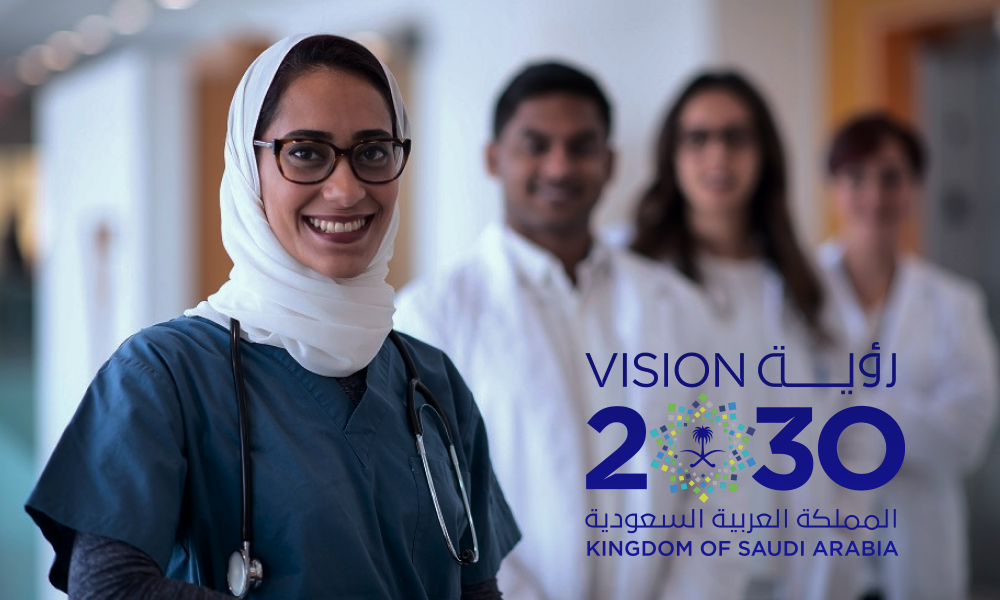
Introduction Saudi Arabia’s Vision 2030 aims to build a world-class healthcare system that is preventive, efficient, and accessible to every citizen. But with hospitals running at 85–95% occupancy, rising demand for chronic disease management, and long waiting times in emergency departments, traditional hospital-centered models can no longer handle the pressure. This is where integrated home healthcare, especially when combined with palliative care, becomes a transformative solution. By shifting suitable patients from hospital beds to structured, high-quality home-based care, Saudi Arabia can reduce system strain, improve patient outcomes, and accelerate its Vision 2030 goals. What Is Integrated Home Healthcare? Integrated home healthcare is a coordinated care model that brings essential medical services directly to patients’ homes. It includes: Post-hospitalization recovery Chronic disease management Palliative and comfort-focused care Preventive care and early intervention Rehabilitation and nursing services Continuous monitoring and data-driven decision-making Unlike basic home nursing, integrated home healthcare connects hospitals, community partners, and private providers into a single care ecosystem — ensuring consistent quality and seamless continuity of care. 1. Reducing Healthcare System Pressure Public hospitals in Riyadh and other major cities report bed occupancy between 85–95%, some of the highest in OECD regions. Without new models, the government may need to invest over SAR 100 billion to build new hospital beds just to meet expected demand. Integrated home healthcare helps by: Freeing inpatient beds for acute or critical cases Reducing unnecessary long hospital stays Minimizing emergency department overcrowding Managing stable patients safely in their homes This directly supports Vision 2030’s goal of improving efficiency, access, and sustainability in the health sector. 2. Aligning with Vision 2030’s Privatization Agenda Saudi Arabia aims to privatize 290 hospitals and 2,300 primary care centers, but progress remains below 20%. A scalable home healthcare model accelerates this target by: Introducing private-sector expertise Allowing service-line privatization Reducing the operational burden on public hospitals Creating PPPs that improve both quality and cost-effectiveness Integrated home healthcare acts as a bridge, enabling hospitals to outsource services safely while maintaining MOH-quality standards. 3. Enhancing Quality Through Palliative Care Integration One of Vision 2030’s core objectives is improving patient-centered care. Integrated home healthcare aligned with palliative care delivers: Better symptom management for chronic or terminal illnesses Personalized care plans Family education and caregiver support Reduced hospital readmissions Improved quality of life for patients Palliative care ensures dignity, comfort, and compassion — all at home, where patients often feel safest. 4. Improving Access to Care Across the Kingdom Millions of Saudis face challenges accessing specialized care due to distance, limited providers, or long waiting lines. Home healthcare expands access by: Bringing services directly to underserved communities Leveraging telemedicine and digital tools Providing 24/7 monitoring for high-risk patients Connecting rural populations with urban medical expertise This aligns with Vision 2030’s pillar of “Improving Access and Equity in Healthcare Delivery.” 5. Strengthening Preventive Care — A Vision 2030 Priority Vision 2030 aims to shift the national focus from treatment to prevention. Integrated home healthcare plays a vital role by: Conducting regular health assessments Monitoring chronic disease patients Identifying early warning signs Preventing unnecessary hospital visits Promoting healthier lifestyle interventions Prevention lowers long-term healthcare spending and supports a healthier, more productive population. 6. Boosting Healthcare Efficiency Through Data Integration A modern healthcare system relies on high-quality data. Home healthcare introduces: HL7 FHIR–standard data integration Real-time reporting of metrics such as bed days saved, readmission rates, patient satisfaction, and service utilization Better resource planning Accurate performance measurement Transparency for public-private partners These capabilities support Vision 2030’s digital transformation roadmap. 7. Increasing Patient Satisfaction and Quality of Life Patients prefer recovering at home, and evidence shows they experience: Faster healing Lower stress levels Fewer infections Higher comfort and emotional well-being Home healthcare creates a patient-first model, a key objective in Vision 2030’s push for a more compassionate and human-centered health experience. 8. Enabling Economic and Social Value Integrated home healthcare contributes to Vision 2030’s economic diversification by: Creating new private-sector jobs Reducing government healthcare expenditure Promoting innovation in digital health technologies Strengthening healthy market competition Encouraging foreign investment through PPPs A strong home healthcare ecosystem fosters broader social and economic benefits across the Kingdom. Conclusion Integrated home healthcare is no longer optional — it is essential for meeting Saudi Arabia’s Vision 2030 healthcare transformation goals. By reducing hospital pressure, improving access, integrating palliative care, and enabling data-driven preventive services, it offers a sustainable pathway to a healthier future. Saudi Arabia stands at a crucial moment. With rising demand and growing system pressure, community-based partners and private-sector collaboration are the keys to achieving a modern, world-class healthcare system.